By Rabbi Abraham Unger, Ph.D.
Executive Director
This Week’s Torah Portion
A Life of Meaning
In Higher Education there is a great debate arguing whether the liberal arts or vocationalism is more important. In plain language, this is a question of whether theoretical learning, such as philosophy, is more or less important than training for a specific professional field, such as accounting.
Judaism sees no conflict between these realms. In fact, Jewish tradition seamlessly connects abstract concepts to practical behavior. Passover is the classic case of that.
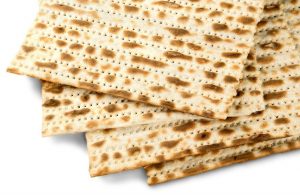
The central component of the Seder is the sippur/telling of the story of the Exodus with theological commentary. That is a narrative within a conceptual framework. Then we eat the Matzah, a physical manifestation of the narrative we just explored. Theoretical learning moves organically to lived experience.
Both of these traditions: the telling of the story and the eating of the Matzah, are Biblical commandments. There are two tiers of law in Judaism: Biblical and Rabbinic. Biblical laws are primary. Rabbinic laws simply protect observance of Biblical ones. The fact that the two most significant commandments of the Seder are Biblical signals how deeply intertwined conceptual thinking is to behavior as a way to make sense of our foundational history and our world.
Friends in tech tell me the most important skill in their industry is the ability to see an issue conceptually. There is a direct line from theory to applied knowledge. Judaism figured this out long ago at the Seder.
Weekly Parenting Message from the Parsha
Structured Play
Seder itself means “order.” It is a structured program of storytelling, breaking bread [in this case Matzah] together, Socratic method [the four questions], and play itself through song and experiential moments such as the recitation and spilling of grape juice or wine during mention of the Ten Plagues.
Judaism teaches that structured play – allowing for open discussion and fun experience within what a teacher would call “a lesson plan” – is the most fruitful way to draw out each individual’s promise. As we enjoy our Seders this coming week, remember, as the Rabbis explicitly wrote, it’s all for the children.