By Rabbi Abraham Unger, Ph.D.
Executive Director
This Week’s Torah Portion
We Are All Equal
We live in a world in which identity has become an increasingly significant way of thinking about how society is organized. In the European villages from which my forebears came, identity was everything. America was supposed to be different; this country was founded on the promise of each individual, regardless of their identity or circumstance of birth. The American Founding Fathers were not just influenced by the writings of Locke and Hobbes and Rousseau. They were equally, if not even more, impacted by the Tanakh, the Hebrew Bible, and its unswerving conviction in the creative potential of each person indicated by the opening chapters of the Book of Genesis.
This week’s Shabbat Torah portion fleshes out the implications of that early Biblical story of the creation of Adam and Eve – two people made in the image of G-d – people whose only identity is a shared mission: to live as good and meaningful a life as possible. This Shabbat, as the Jewish nation coalesces in the desert and prepares for sovereignty in the Land of Israel, the Torah statues unequivocally, “One rule applies to the community, both to yourselves and to the convert who resides with you; one rule applies throughout your generations for you as for the convert, before God.” Rashi comments that this means, without qualification, the convert is the same as the native-born Israelite. The law and the Torah’s teaching are what we all have in common. Beyond that, identity has no meaning. It is an accident of birth. What matters is our purpose.
The Jewish purpose, which informed the founding of these United States so deeply, is to reach for the stars that G-d once showed Abraham the patriarch. Our task is not to worry about who comes from where, or how one identifies. Our task is to worry about how to contribute to a society where all can pursue their talents and dreams. That is the mandate provided to us by our tradition, as Americans and as Jews.
Weekly Parenting Message from the Parsha
Second guessing and the Power of Self-Esteem
The most important gift we can give to our children is self-esteem. There is no better resource for them throughout the twists and turns of life than belief in themselves. This week’s Shabbat Torah portion makes that abundantly clear.
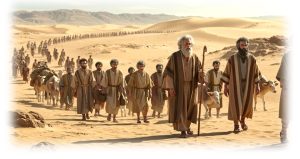
Moses, usually confident, becomes insecure at the quickly approaching prospect of returning to independence in the Land of Israel after he leads the Jews out of slavery in Egypt. He asks twelve tribal princes, who were the leaders of their time, to secretly scout out the land. After completing their mission, most of these princes report back that the people who dwell in it are simply unconquerable. As Rashi invokes, the spies indicated that the current inhabitants of the land were viewed by the Israelite princes as even stronger than G-d!
The problem was not the report. Perhaps the people who had occupied the land in the Children of Israelites’ absence were in fact mighty. But this mission lacked confidence from the start. Moses organized it out of fear, and the spies returned in fear. There was no conviction that as a free people the Jews could now become strong, nor was there even faith that the G-d who liberated them from servitude would be powerful enough to help in the defeat of a few pagan tribes!
We ought not model lives of second guessing for our children, nor can we report to them that they are limited in capacity. Our job is to raise our children to feel they can take on the world and make a meaningful contribution to it. After all, the Torah believes in us.